



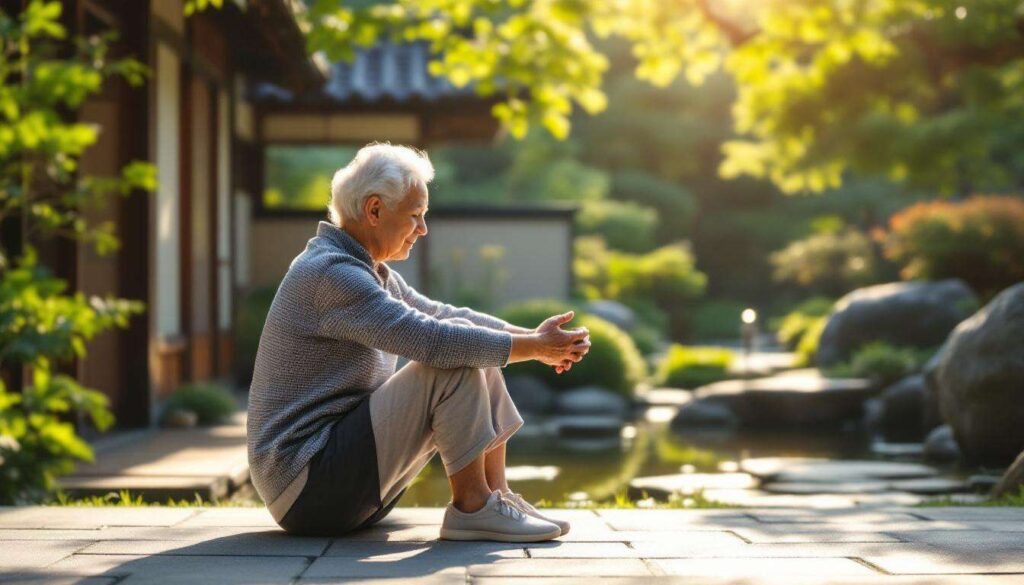
Knee pain affects millions of adults over 50, limiting mobility and diminishing quality of life. While Western medicine often recommends medication or surgery, a gentler approach has emerged from Japan that focuses on preservation and strengthening. The Japanese knee method combines ancient wisdom with modern understanding of joint mechanics, offering three specific movements that orthopedists increasingly recommend to their patients. These exercises prioritize joint health without the high-impact stress that can worsen existing conditions, making them particularly suitable for aging bodies that need careful attention.
Introduction to the Japanese knee method
The Japanese knee method originated from traditional practices that emphasize gentle movement and mindful body awareness. Unlike aggressive Western exercise protocols, this approach recognizes that joints require nurturing rather than forcing. Japanese culture has long valued longevity and functional independence in older age, leading to the development of movement practices that support rather than strain the body.
Historical context and philosophy
This method draws from centuries of Japanese martial arts and therapeutic practices. The philosophy centers on working with the body’s natural mechanics rather than against them. Traditional Japanese healers observed that certain movements could maintain joint flexibility without causing inflammation or damage. These observations have been refined over generations and now align with contemporary orthopedic research on joint preservation.
Core principles of the approach
The Japanese knee method operates on several fundamental principles that distinguish it from conventional exercise programs:
- Controlled, deliberate movements that never force the joint beyond comfortable range
- Focus on strengthening supporting muscles rather than stressing the joint itself
- Integration of breathing techniques to promote circulation and reduce tension
- Emphasis on daily consistency rather than intensive occasional sessions
- Mindful attention to body signals and immediate adjustment when discomfort arises
These principles create a sustainable practice that patients can maintain throughout their lives. The method’s growing popularity among orthopedic specialists reflects its effectiveness in preserving joint function while minimizing injury risk.
Why orthopedists recommend this method
Medical professionals have taken notice of the Japanese knee method because clinical evidence supports its benefits for joint health. Orthopedists appreciate that these movements address multiple aspects of knee function simultaneously, from muscle strength to proprioception.
Scientific validation
Research has demonstrated that the specific movements in this method activate key muscle groups without excessive joint compression. Studies show that patients who practice these exercises experience reduced pain and improved mobility compared to those who remain sedentary or engage in high-impact activities. The method’s effectiveness stems from its ability to strengthen the quadriceps, hamstrings, and calf muscles that support knee stability.
Advantages over conventional treatments
Orthopedists recommend this approach because it offers several advantages:
| Aspect | Japanese Knee Method | Conventional Approaches |
|---|---|---|
| Joint stress | Minimal impact | Often high impact |
| Equipment needed | None required | Often requires machines |
| Time commitment | 10-15 minutes daily | 30-60 minutes per session |
| Injury risk | Very low | Moderate to high |
| Sustainability | Lifelong practice | Often discontinued |
The method’s accessibility makes it particularly valuable for patients who cannot afford extensive physical therapy or gym memberships. Its simplicity also increases compliance rates, as patients find the movements easy to incorporate into daily life. Understanding the specific movements themselves reveals why this method has gained such professional endorsement.
Presentation of the three key movements
The Japanese knee method consists of three carefully designed movements that target different aspects of knee health. Each movement serves a specific purpose while complementing the others to create comprehensive joint support.
Movement one: the seated leg extension
This movement begins with sitting on a firm chair with feet flat on the floor. The practitioner slowly extends one leg until it reaches parallel with the floor, holds for three seconds, then lowers it with control. The key is maintaining smooth, continuous motion without locking the knee at full extension. This exercise strengthens the quadriceps while promoting synovial fluid circulation within the joint.
Movement two: the standing wall slide
Standing with the back against a wall, feet positioned about twelve inches forward, the practitioner slowly slides down until thighs reach approximately 45 degrees from vertical. This partial squat position is held for five seconds before sliding back up. The wall provides support and prevents excessive forward knee travel, protecting the joint while building strength in the surrounding muscles. The movement should never cause pain, and depth can be adjusted based on individual capability.
Movement three: the ankle flex and point
While seated or lying down, this movement involves alternately flexing the ankle to bring toes toward the shin, then pointing toes away from the body. Though it seems focused on the ankle, this movement activates the entire kinetic chain that supports the knee. The calf muscles engage during the pointing phase, while the anterior tibialis works during flexion. This dual action improves circulation and maintains the muscle balance essential for knee stability.
Proper execution guidelines
Successful practice requires attention to several execution details:
- Perform movements slowly, taking at least three seconds for each phase
- Breathe naturally throughout, never holding breath during exertion
- Start with five repetitions of each movement, gradually increasing to fifteen
- Maintain proper posture and alignment to ensure correct muscle activation
- Stop immediately if sharp pain occurs, though mild muscle fatigue is normal
These movements work synergistically to address the multiple factors that contribute to knee health in older adults. The benefits extend beyond simple pain reduction to fundamental improvements in joint function.
The benefits for joints after 50
The Japanese knee method delivers multiple interconnected benefits that become increasingly important as the body ages. These advantages address both immediate symptoms and long-term joint preservation.
Improved joint lubrication
The gentle movements stimulate production and distribution of synovial fluid, the body’s natural joint lubricant. After 50, synovial fluid production typically decreases, leading to increased friction and discomfort. Regular practice of these movements counteracts this age-related decline, maintaining the cushioning effect that protects cartilage from wear.
Enhanced muscle support
Strong muscles surrounding the knee joint reduce stress on the joint itself. The three movements target the specific muscle groups that provide stability and shock absorption. As these muscles strengthen, they assume more of the load during daily activities, sparing the joint from excessive pressure. This redistribution of forces significantly reduces pain and slows degenerative processes.
Better balance and proprioception
The controlled nature of these movements improves proprioception, the body’s awareness of joint position in space. Enhanced proprioception reduces fall risk, a critical concern for adults over 50. Better balance also means more confident movement, encouraging continued physical activity that further supports joint health.
Measurable outcomes
Patients who consistently practice the Japanese knee method report several tangible improvements:
- Reduced morning stiffness and easier initial movement upon waking
- Decreased pain levels during routine activities like climbing stairs
- Greater walking distance before fatigue or discomfort sets in
- Improved ability to perform daily tasks without assistance
- Enhanced overall quality of life and independence
These benefits accumulate over time, with most practitioners noticing initial improvements within two to three weeks. Making these movements a regular part of daily life requires thoughtful integration into existing routines.
How to integrate these movements into a daily routine
Consistency determines success with the Japanese knee method, making strategic integration into daily habits essential. The key is creating sustainable patterns that feel natural rather than burdensome.
Optimal timing strategies
Many practitioners find success by linking the movements to existing daily activities. Performing the seated leg extension during morning coffee, the wall slide while waiting for the shower to warm, and the ankle flex while watching evening television creates automatic triggers that support consistency. The entire sequence requires only ten to fifteen minutes, making it feasible even for busy schedules.
Creating a supportive environment
Setting up the physical environment facilitates regular practice. Identifying a suitable wall for the wall slide exercise, ensuring a stable chair is available for seated movements, and keeping the practice area clear of obstacles removes barriers to participation. Some practitioners place visual reminders in strategic locations to prompt their daily practice.
Tracking progress
Maintaining a simple log helps sustain motivation and reveals improvements that might otherwise go unnoticed. Recording repetitions completed, any discomfort experienced, and subjective assessments of mobility provides valuable feedback. This documentation also helps healthcare providers monitor progress and adjust recommendations as needed.
Building gradual progression
The method’s effectiveness increases with proper progression:
- Week one: focus on learning correct form with minimal repetitions
- Weeks two through four: gradually increase repetitions while maintaining quality
- Month two onward: add slight variations or increased hold times as strength improves
- Long term: maintain consistent practice while listening to body feedback
This gradual approach prevents overuse injuries while building sustainable habits. However, even the gentlest exercise program requires attention to safety considerations.
Precautions to take when practicing
While the Japanese knee method is designed for safety, certain precautions ensure optimal results without risk. Understanding these guidelines helps practitioners avoid common mistakes.
Medical consultation requirements
Anyone with existing knee conditions, recent injuries, or chronic health issues should consult their healthcare provider before beginning any new exercise program. Certain conditions may require modifications to the standard movements. Individuals who have undergone knee surgery should obtain specific clearance from their orthopedist, as recovery timelines vary.
Warning signs to monitor
Practitioners should remain alert to signals that indicate the need for adjustment or medical attention:
- Sharp, stabbing pain during or after movements
- Increased swelling or warmth around the knee joint
- Persistent pain that worsens rather than improves over time
- Clicking or grinding sensations accompanied by discomfort
- Reduced range of motion compared to before starting the practice
These symptoms require immediate cessation of the exercises and professional evaluation. Most practitioners experience only mild muscle soreness initially, which differs from joint pain and typically resolves within a few days.
Modification guidelines
The movements can be adjusted to accommodate individual limitations. The wall slide can be performed at a shallower depth, the leg extension can use a shorter range of motion, and all exercises can begin with fewer repetitions. The principle of gradual adaptation allows the body to strengthen progressively without overwhelming vulnerable tissues. Listening to the body’s feedback and respecting its limits prevents setbacks that could derail progress.
The Japanese knee method offers adults over 50 a practical, evidence-based approach to maintaining joint health through three simple movements that require no equipment or special facilities. Orthopedists recommend this method because it addresses multiple aspects of knee function while minimizing injury risk. The seated leg extension, standing wall slide, and ankle flex and point work together to strengthen supporting muscles, improve joint lubrication, and enhance proprioception. Benefits include reduced pain, improved mobility, and greater independence in daily activities. Successful integration requires consistency, proper form, and attention to body signals. With appropriate precautions and gradual progression, this gentle yet effective method provides a sustainable path to preserving knee function and quality of life throughout the aging process.