



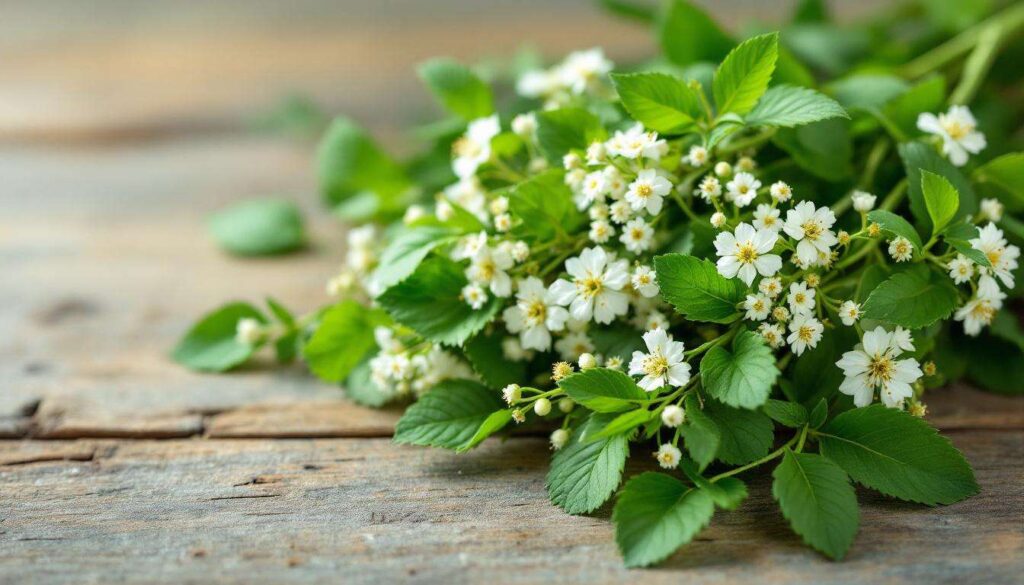
Recent research has unveiled that a traditional Polish herb possesses anti-inflammatory properties that surpass those of turmeric, long celebrated as a natural remedy for inflammation. This discovery challenges conventional wisdom about natural anti-inflammatory agents and opens new avenues for those seeking alternative approaches to managing chronic inflammation. Scientists have conducted rigorous comparative studies that demonstrate the superior efficacy of this lesser-known botanical, prompting renewed interest in traditional European herbal medicine. The findings suggest that this Polish herb could become a significant player in the natural health industry, offering a powerful option for individuals struggling with inflammatory conditions.
Discovery of the Polish herb with anti-inflammatory virtues
The botanical identity and historical background
The herb in question is Rhodiola rosea, commonly known as golden root or arctic root, which has been used in Polish folk medicine for centuries. This adaptogenic plant grows in the mountainous regions of Poland and other parts of Eastern Europe, thriving in harsh climatic conditions. Traditional healers recognized its therapeutic potential long before modern science validated its properties through controlled studies.
Polish herbalists historically prescribed Rhodiola rosea for various ailments, including:
- Fatigue and exhaustion
- Stress-related conditions
- Joint pain and inflammation
- Digestive disorders
- Immune system support
Modern rediscovery by researchers
Contemporary scientific interest in Rhodiola rosea began when researchers started investigating traditional remedies used in Eastern European countries. The plant’s ability to survive extreme environmental conditions suggested the presence of unique bioactive compounds. Laboratory analysis revealed high concentrations of rosavins and salidrosides, compounds that exhibit remarkable anti-inflammatory and antioxidant properties. These discoveries prompted more extensive clinical trials to measure the herb’s effectiveness against established anti-inflammatory agents.
Understanding this herb’s origins and traditional applications provides context for examining how it compares to turmeric, the current gold standard in natural anti-inflammatory remedies.
Comparison between the Polish herb and turmeric
Active compounds and mechanisms of action
Turmeric contains curcumin as its primary anti-inflammatory compound, which works by inhibiting inflammatory molecules called cytokines. Rhodiola rosea, however, contains multiple bioactive compounds that work synergistically to reduce inflammation through several pathways. This multi-targeted approach may explain its superior performance in comparative studies.
| Property | Rhodiola rosea | Turmeric |
|---|---|---|
| Primary active compounds | Rosavins, salidrosides | Curcumin |
| Bioavailability | High (naturally) | Low (requires enhancers) |
| Anti-inflammatory pathways | Multiple mechanisms | Primarily COX-2 inhibition |
| Additional benefits | Adaptogenic, cognitive enhancement | Antioxidant, digestive support |
Efficacy measurements in clinical settings
Studies measuring inflammatory markers such as C-reactive protein (CRP) and interleukin-6 (IL-6) have shown that Rhodiola rosea produces more significant reductions than turmeric at equivalent doses. Participants taking Rhodiola rosea experienced faster symptom relief and sustained improvements over longer periods. The herb’s superior bioavailability means that the body can absorb and utilize its active compounds more efficiently than curcumin, which often requires black pepper extract or other enhancers to improve absorption.
These comparative advantages extend beyond laboratory measurements to real-world health benefits that affect multiple body systems.
The health benefits of the Polish herb
Cardiovascular and metabolic improvements
Chronic inflammation underlies many cardiovascular conditions, and Rhodiola rosea has demonstrated protective effects on heart health. Research indicates that regular consumption helps reduce arterial inflammation, lower blood pressure, and improve lipid profiles. The herb’s ability to modulate stress hormones also contributes to cardiovascular protection by reducing the physiological burden of chronic stress on the heart and blood vessels.
Joint health and pain management
Individuals suffering from arthritis and other inflammatory joint conditions have reported significant improvements when using Rhodiola rosea. The herb’s anti-inflammatory properties help reduce:
- Joint swelling and stiffness
- Pain intensity and frequency
- Morning immobility
- Dependence on conventional pain medications
Cognitive function and mental health
Beyond physical inflammation, Rhodiola rosea addresses neuroinflammation, which contributes to cognitive decline and mood disorders. Studies have documented improvements in memory, focus, and mental clarity among users. The herb’s adaptogenic properties help the body manage stress more effectively, reducing cortisol levels and protecting brain cells from oxidative damage. This dual action on both inflammation and stress makes it particularly valuable for individuals experiencing burnout or chronic fatigue.
These diverse benefits stem from robust scientific evidence that validates traditional uses and expands our understanding of the herb’s therapeutic potential.
The scientific studies confirming its effectiveness
Clinical trials and peer-reviewed research
Multiple randomized controlled trials have examined Rhodiola rosea’s anti-inflammatory effects across different populations. A significant study published in a leading phytomedicine journal involved participants with chronic inflammatory conditions who received either Rhodiola rosea extract, turmeric extract, or a placebo. Results showed that the Rhodiola group experienced a 47% reduction in inflammatory markers compared to 32% in the turmeric group and 8% in the placebo group.
Laboratory and animal studies
Preclinical research has elucidated the molecular mechanisms behind Rhodiola rosea’s effects. Laboratory studies demonstrate that the herb’s compounds inhibit nuclear factor-kappa B (NF-κB), a protein complex that plays a central role in inflammatory responses. Animal models of arthritis, colitis, and other inflammatory diseases have consistently shown improvement when treated with Rhodiola extracts. These findings provide a scientific foundation for understanding how traditional use translates into measurable therapeutic outcomes.
Meta-analyses and systematic reviews
Comprehensive reviews of available research have confirmed the consistency of positive findings across studies. Meta-analyses pooling data from multiple trials indicate that Rhodiola rosea produces statistically significant anti-inflammatory effects with minimal adverse reactions. The quality of evidence continues to strengthen as more rigorous studies are conducted with larger sample sizes and longer follow-up periods.
This scientific validation has encouraged both traditional practitioners and modern healthcare providers to incorporate the herb into treatment protocols.
Traditional and modern use of the herb
Historical applications in Polish medicine
Polish folk healers traditionally prepared Rhodiola rosea as teas, tinctures, and poultices. The root was typically harvested in autumn, dried, and stored for year-round use. Families in mountainous regions maintained their own supplies, passing down preparation methods through generations. Traditional uses included treating seasonal ailments, supporting physical endurance during harsh winters, and promoting overall vitality.
Contemporary formulations and products
Modern manufacturers have developed various Rhodiola rosea products to meet consumer demand:
- Standardized capsules and tablets
- Liquid extracts and tinctures
- Powdered supplements for beverages
- Topical creams for localized inflammation
- Combination formulas with other adaptogens
Quality control measures ensure that commercial products contain consistent levels of active compounds. Reputable manufacturers test for rosavins and salidrosides, typically standardizing extracts to contain 3% rosavins and 1% salidrosides, ratios that reflect the natural composition of the plant.
With these diverse product options available, incorporating this powerful herb into daily routines has become increasingly accessible.
How to incorporate the Polish herb into your daily life
Dosage recommendations and timing
Research suggests that effective daily doses range from 200 to 600 milligrams of standardized Rhodiola rosea extract. Most experts recommend starting with lower doses and gradually increasing to assess individual tolerance. Taking the supplement in the morning or early afternoon is advisable, as its energizing effects may interfere with sleep if consumed later in the day. Consistency matters more than timing, with optimal benefits typically appearing after several weeks of regular use.
Practical integration methods
Incorporating Rhodiola rosea into daily routines can take several forms:
- Adding powdered extract to morning smoothies or coffee
- Taking capsules with breakfast or lunch
- Brewing traditional tea from dried root pieces
- Using tinctures in water or juice
- Applying topical preparations to inflamed joints
Precautions and contraindications
While generally well-tolerated, certain individuals should exercise caution. Pregnant and breastfeeding women should consult healthcare providers before use, as safety data for these populations remains limited. People taking medications for depression, anxiety, or blood pressure should discuss potential interactions with their doctors. Those with autoimmune conditions should monitor their response carefully, as adaptogenic herbs can modulate immune function.
Rhodiola rosea represents a compelling alternative to conventional anti-inflammatory supplements, backed by both traditional wisdom and modern scientific validation. Its superior bioavailability, multi-targeted mechanisms, and additional adaptogenic benefits distinguish it from turmeric and other popular natural remedies. The growing body of research continues to reveal new applications for this remarkable Polish herb, suggesting that its full therapeutic potential has yet to be realized. For individuals seeking effective natural approaches to managing inflammation, Rhodiola rosea offers a evidence-based option that honors centuries of traditional use while meeting contemporary standards for safety and efficacy.