



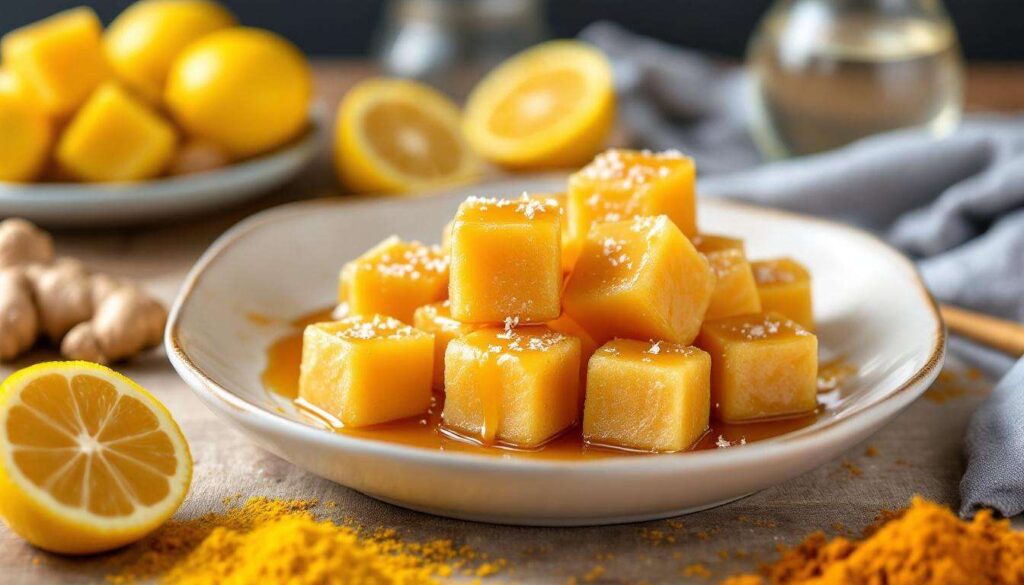
In an era where digestive wellness has become a mainstream health concern, home remedies are experiencing a remarkable renaissance. Among the most effective yet underutilized solutions are homemade ginger cubes, small frozen portions of concentrated ginger that can transform post-meal discomfort into relief within minutes. These unassuming cubes have been gaining attention from nutritionists and home cooks alike, offering a practical answer to the bloating, heaviness, and sluggish digestion that often follow rich meals.
The beauty of ginger cubes lies in their simplicity and accessibility. Unlike commercial digestive aids that often contain artificial ingredients or require a prescription, these cubes harness the natural power of ginger root, a botanical remedy trusted across cultures for thousands of years. When heavy meals leave you feeling uncomfortably full, a single ginger cube dissolved in warm water creates an instant digestive tonic that’s both soothing and effective.
What makes this preparation particularly appealing is its convenience factor. By dedicating just twenty minutes to preparation, you create a supply that lasts for months, ready whenever digestive support is needed. The freezing process preserves ginger’s active compounds, particularly gingerols (the bioactive substances responsible for ginger’s therapeutic properties), ensuring that each cube delivers consistent potency. This recipe yields approximately 24 cubes, providing enough for four people to enjoy digestive support after multiple heavy meals throughout the season.
20
0
easy
€
Ingredients
Utensils
Preparation
1. Prepare the ginger root
Begin by thoroughly washing your ginger root under cool running water, using your fingers to remove any dirt trapped in the crevices. Using a vegetable peeler or the edge of a spoon, carefully remove the thin skin from the ginger. The spoon method is particularly gentle and wastes less of the precious root. Once peeled, cut the ginger into small chunks, roughly one-inch pieces, which will make blending easier and more efficient. Fresh ginger should feel firm and have a strong, spicy aroma. If your ginger feels soft or looks wrinkled, it’s past its prime and won’t deliver the same digestive benefits.
2. Create the ginger mixture
Place your ginger chunks into the high-speed blender along with the filtered water. Blend on high speed for approximately 60 seconds until the mixture becomes completely smooth and no fibrous pieces remain visible. The resulting liquid should have a pale yellow color and a strong, characteristic ginger scent. Add the raw honey, fresh lemon juice, and ground turmeric to the blender. The honey acts as a natural preservative while adding gentle sweetness, the lemon juice enhances flavor and provides vitamin C, and turmeric contributes additional anti-inflammatory properties. Blend again for another 30 seconds to ensure all ingredients are thoroughly combined into a homogeneous mixture.
3. Strain for smoothness
Position your fine mesh strainer over a small bowl and carefully pour the ginger mixture through it. Using the back of a spoon, press firmly against the pulp to extract as much liquid as possible. This straining step is crucial because it removes the fibrous material that could create an unpleasant texture in your finished cubes. The liquid that passes through should be smooth and free of any stringy bits. Don’t discard the leftover pulp immediately; you can squeeze it one final time with your hands over the bowl to extract every last drop of beneficial liquid. The pulp itself can be composted or used in other recipes like stir-fries or marinades.
4. Fill the ice cube tray
Take your ice cube tray and place it on a flat, stable surface. Slowly pour the strained ginger liquid into each compartment, filling them approximately three-quarters full. This allows for expansion during freezing, which prevents overflow and messy results. Work carefully to avoid spills, as ginger can temporarily stain surfaces. If you’re using a silicone ice cube tray, this process becomes even easier as the flexibility makes removal simpler later. Standard ice cube trays work perfectly well too. Each cube should contain roughly one tablespoon of the ginger mixture, which represents an ideal single serving for digestive support.
5. Freeze until solid
Carefully transfer the filled ice cube tray to your freezer, making sure it sits level to prevent the liquid from spilling into adjacent compartments. Allow the cubes to freeze completely, which typically requires 4 to 6 hours depending on your freezer’s temperature settings. For best results, leave them overnight to ensure they’re thoroughly frozen. Once solid, the cubes will have a slightly opaque appearance and should pop out easily from the tray. If you’re using a traditional plastic tray, twist it gently to release the cubes. For silicone trays, simply push from the bottom of each compartment.
6. Store properly for longevity
Once your ginger cubes are completely frozen, remove them from the tray and transfer them immediately to an airtight freezer-safe container or heavy-duty freezer bag. This step prevents freezer burn, which occurs when ice crystals form on the surface and compromise both flavor and potency. Label the container with the preparation date so you can track freshness. These cubes maintain their digestive properties for up to three months when stored properly. Keep them in the coldest part of your freezer, typically the back, away from the door where temperature fluctuations are more common.

Chef’s tip
For maximum digestive benefit, use your ginger cube within 15 minutes after a heavy meal. Simply drop one cube into a mug of hot water (not boiling, as excessive heat can destroy some of ginger’s beneficial compounds) and allow it to dissolve completely. The ideal water temperature is around 160°F to 180°F. If you find the flavor too intense, start with half a cube and gradually increase as your palate adjusts. For enhanced effectiveness, sip the ginger drink slowly rather than gulping it down, allowing the compounds to begin working in your mouth and esophagus before reaching your stomach. Those with sensitive stomachs should consume ginger cubes after eating rather than on an empty stomach to avoid potential irritation.
Perfect beverage pairing
Since ginger cubes are themselves dissolved in water to create a therapeutic drink, they don’t require additional beverage pairing. However, if you’re serving them as part of a post-meal digestive ritual, consider offering herbal teas as complementary options. Peppermint tea works synergistically with ginger to enhance digestive comfort, while chamomile tea adds calming properties that can soothe an overfull stomach. For those who prefer something with more substance, a light green tea provides gentle caffeine and additional antioxidants without overwhelming the digestive system. Avoid carbonated beverages immediately after heavy meals, as they can increase bloating rather than relieve it.
Extra tip
Ginger’s reputation as a digestive aid spans millennia and crosses countless cultural boundaries. In traditional Chinese medicine, ginger has been prescribed for over 2,000 years to treat nausea, improve circulation, and stimulate digestive fire. Ancient Indian Ayurvedic practitioners considered ginger a universal medicine, calling it vishwabhesaj, meaning “the universal remedy.” The scientific community has validated much of this traditional wisdom through modern research.
Studies have demonstrated that ginger contains powerful compounds called gingerols and shogaols that stimulate saliva production, bile secretion, and gastric motility. These effects help break down food more efficiently and move it through the digestive tract at an optimal pace. Research published in the European Journal of Gastroenterology & Hepatology found that ginger can accelerate gastric emptying by up to 25%, which explains why it’s so effective after heavy meals that tend to sit uncomfortably in the stomach.
The freezing method used in this recipe actually offers unexpected benefits. When ginger is frozen, the cell walls rupture slightly, making the beneficial compounds more bioavailable when the cube melts. This means your body can absorb and utilize the active ingredients more efficiently than from fresh ginger alone. The addition of honey isn’t merely for flavor; it contains enzymes that support digestion and has prebiotic properties that nourish beneficial gut bacteria.