



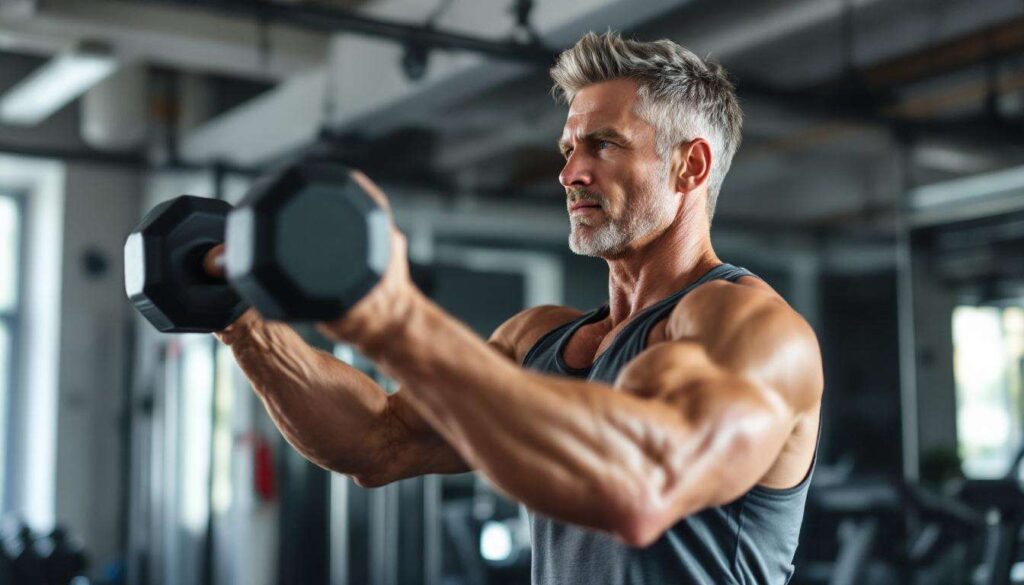
Maintaining skeletal strength becomes increasingly critical as we age, yet many adults unknowingly rely on exercises that provide minimal benefit to their bones. While walking has long been touted as a cornerstone of healthy aging, orthopedic specialists now emphasize that more intensive weight-bearing activities deliver superior results for preserving bone density in individuals over 50. Understanding which exercises truly strengthen your skeletal system can mean the difference between maintaining independence and facing fractures that compromise quality of life.
What is bone density and its importance after 50
Understanding bone density measurements
Bone density refers to the amount of mineral matter per square centimeter of bone tissue, serving as a key indicator of skeletal strength and fracture resistance. Medical professionals measure this through dual-energy X-ray absorptiometry (DEXA) scans, which compare your bone mass to established standards. The resulting T-score reveals whether your bones fall within normal ranges or indicate osteopenia (low bone mass) or osteoporosis (significantly weakened bones).
Why bone density declines with age
After reaching peak bone mass around age 30, adults gradually lose bone density as the body’s natural remodeling process shifts. This imbalance between bone breakdown and formation accelerates after 50, particularly for women experiencing menopause-related hormonal changes. Men also experience bone loss, though typically at a slower rate. Several factors contribute to this decline:
- Decreased production of bone-building hormones like estrogen and testosterone
- Reduced calcium absorption in the digestive system
- Lower vitamin D levels affecting bone metabolism
- Decreased physical activity levels compared to younger years
- Changes in bone cell function and regeneration capacity
Health consequences of low bone density
The implications of diminished bone strength extend far beyond abstract medical measurements. Fragile bones dramatically increase fracture risk from minor falls or everyday activities, with hip, spine, and wrist fractures being most common. These injuries often trigger a cascade of complications including reduced mobility, chronic pain, loss of independence, and increased mortality risk. Statistics reveal that approximately one in two women and one in four men over 50 will experience an osteoporosis-related fracture during their remaining lifetime.
Given these stark realities, selecting the most effective exercises for bone preservation becomes a critical health decision rather than a casual lifestyle choice.
The limitations of walking for strengthening bones
Why walking provides insufficient bone stimulus
Despite its cardiovascular benefits and accessibility, walking delivers relatively modest mechanical stress to the skeletal system. Bones strengthen in response to significant force and impact, adapting to meet the demands placed upon them. The gentle, repetitive motion of walking at typical speeds generates insufficient loading to trigger substantial bone remodeling. Research indicates that walking alone does not prevent bone loss in postmenopausal women or significantly improve bone density in areas most vulnerable to fractures.
Comparing walking to higher-impact activities
| Activity Type | Bone Loading Force | Bone Density Impact |
|---|---|---|
| Casual walking | 1-2x body weight | Minimal improvement |
| Brisk walking | 2-3x body weight | Slight maintenance |
| Jogging/running | 3-5x body weight | Moderate improvement |
| Resistance training | 4-10x body weight | Significant improvement |
When walking remains beneficial
This does not mean walking lacks value for older adults. It maintains cardiovascular fitness, supports balance and coordination, and provides mental health benefits. Walking serves as an excellent foundation for overall wellness but should be supplemented with more intensive bone-strengthening activities rather than relied upon as the sole exercise modality for skeletal health.
Recognizing these limitations naturally leads to exploring which specific activities orthopedists actually recommend for optimal bone preservation.
Weight-bearing exercises: a recommended alternative
Defining true weight-bearing activities
Weight-bearing exercises require your body to work against gravity while supporting your full weight, creating the mechanical stress necessary for bone adaptation. Unlike activities performed in water or while seated, these exercises force bones to bear load and respond by increasing density. Orthopedists distinguish between high-impact and low-impact weight-bearing activities, both offering advantages depending on individual fitness levels and joint health.
High-impact weight-bearing exercises
For those without significant joint problems or existing osteoporosis, high-impact activities provide maximum bone-building stimulus. These exercises involve both feet leaving the ground simultaneously, creating substantial force upon landing:
- Jumping rope or jumping jacks
- Dancing with jumping movements
- Tennis, basketball, or volleyball
- Hiking on varied terrain
- Stair climbing at a vigorous pace
Low-impact weight-bearing options
Individuals with joint concerns or moderate bone loss benefit from low-impact alternatives that still provide bone-strengthening benefits without excessive stress. These activities keep at least one foot in contact with the ground while still challenging the skeletal system through resistance and varied movement patterns. Examples include elliptical training, low-impact aerobics classes, and tai chi performed with weighted vests.
While these activities offer clear advantages over walking, combining them with resistance training creates the most comprehensive approach to bone health.
The impact of strength training on bone health
How resistance training builds bone density
Strength training with weights or resistance bands creates targeted mechanical loading that stimulates bone formation at specific skeletal sites. When muscles contract forcefully against resistance, they pull on the bones to which they attach, triggering cellular responses that increase bone mineral density. This process directly strengthens the areas most vulnerable to fractures, including the spine, hips, and wrists.
Evidence supporting strength training effectiveness
Multiple clinical studies demonstrate that progressive resistance training not only halts bone loss but actually increases bone density in postmenopausal women and older men. Research shows improvements ranging from 1-3% annually in the lumbar spine and femoral neck when participants engage in consistent strength training programs. These gains significantly reduce fracture risk and often reverse osteopenia before it progresses to osteoporosis.
Key exercises orthopedists recommend
Orthopedic specialists emphasize compound movements that engage multiple muscle groups and load major bone structures simultaneously:
- Squats and lunges for hip and spine loading
- Deadlifts (modified for safety) targeting posterior chain
- Overhead presses strengthening shoulders and spine
- Rows and pull-downs for upper back and arms
- Chest presses building upper body bone strength
- Heel drops and calf raises for lower leg bones
The key lies in using sufficient resistance to challenge muscles while maintaining proper form, typically requiring weights that allow 8-12 repetitions before fatigue.
Understanding these principles makes implementing them into daily life the next logical step toward improved bone health.
How to integrate weight-bearing exercises into your daily routine
Establishing a realistic schedule
Consistency matters more than intensity when building sustainable bone-strengthening habits. Orthopedists recommend strength training sessions 2-3 times weekly on non-consecutive days, allowing adequate recovery between workouts. Each session should last 30-45 minutes, focusing on different muscle groups or full-body routines depending on your schedule and preferences.
Creating a balanced weekly program
A comprehensive approach combines various exercise types throughout the week:
- Monday: full-body strength training session
- Tuesday: high-impact activities like dancing or tennis
- Wednesday: rest or gentle stretching
- Thursday: strength training focusing on lower body
- Friday: weight-bearing cardio such as hiking
- Weekend: recreational activities with family or friends
Incorporating exercises into existing activities
Small modifications to daily routines amplify bone-strengthening benefits without requiring additional time commitments. Take stairs instead of elevators, perform calf raises while waiting in line, do wall push-ups during work breaks, or add a weighted vest during household chores. These micro-workouts accumulate throughout the day, supplementing formal exercise sessions.
With a framework established, ensuring safety during implementation becomes the priority for long-term success.
Tips for starting and progressing safely
Essential pre-exercise considerations
Before beginning any new exercise program, consultation with healthcare providers ensures appropriateness for your specific situation. Request a bone density scan if you haven’t had one recently, particularly if risk factors exist. Discuss medications that might affect bone health or exercise capacity. Individuals with established osteoporosis require modified programs that avoid spinal flexion and excessive impact.
Progressive overload principles
Building bone strength safely requires gradual increases in exercise intensity over time. Start with body weight exercises or light resistance, focusing on perfect form before adding weight. Increase resistance by approximately 5-10% only after completing target repetitions comfortably for two consecutive sessions. This measured progression prevents injury while providing continuous stimulus for bone adaptation.
Warning signs to monitor
Pay attention to signals that indicate excessive stress or improper technique:
- Sharp pain during or after exercise
- Joint swelling lasting more than 24 hours
- Persistent muscle soreness beyond 48-72 hours
- Dizziness or balance problems during activities
- Unusual fatigue or prolonged recovery needs
Supporting bone health beyond exercise
Exercise works synergistically with proper nutrition and lifestyle factors to maximize bone preservation. Ensure adequate calcium intake (1,200 mg daily for women over 50, 1,000 mg for men), maintain vitamin D levels through sunlight exposure or supplementation, limit alcohol consumption, avoid smoking, and prioritize quality sleep for optimal bone remodeling.
Preserving bone density after 50 requires strategic exercise selection rather than simply staying active. While walking provides general health benefits, it lacks the mechanical loading necessary for significant bone strengthening. Weight-bearing exercises and particularly resistance training deliver the targeted stress that stimulates bone formation and prevents fractures. By incorporating these orthopedist-recommended activities into a balanced routine and progressing safely under professional guidance, adults over 50 can maintain skeletal strength, preserve independence, and reduce fracture risk throughout their later years. The investment in proper bone-building exercise today pays dividends in mobility and quality of life for decades to come.