



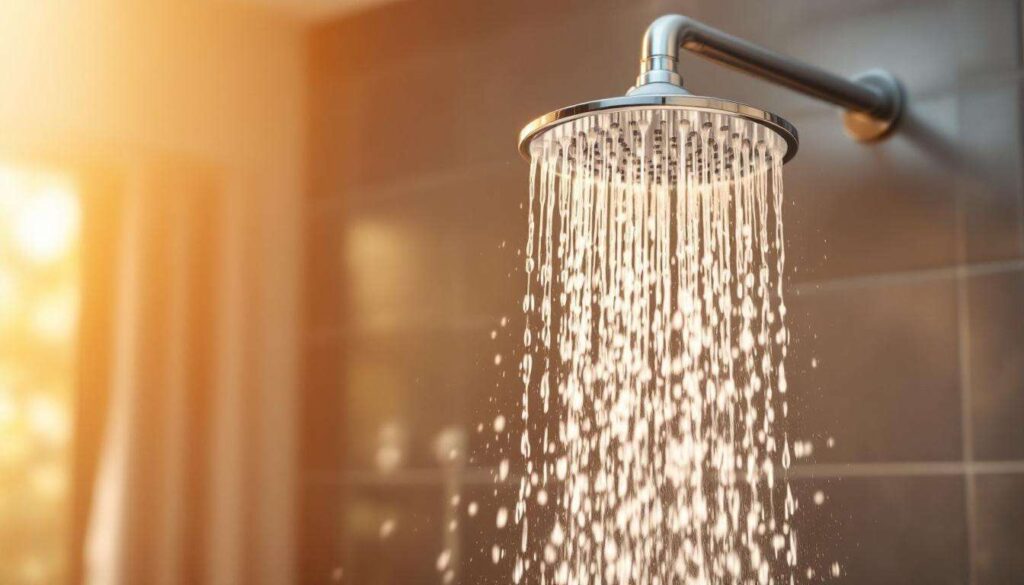
The daily ritual of showering might be exposing you to microscopic threats lurking just behind your showerhead and along your tiles. Recent studies have revealed that maintaining water temperatures between 77°F and 104°F creates an ideal breeding ground for certain bacteria that thrive in warm, moist environments. These microorganisms, invisible to the naked eye, can multiply rapidly in your bathroom’s humid conditions. Understanding the relationship between shower temperature and bacterial growth is essential for maintaining a healthy home environment and protecting your family from potential health complications.
Why your shower temperature is crucial
The temperature range between 77°F and 104°F represents what microbiologists call the optimal growth zone for numerous bacterial species. This specific range provides the perfect conditions for microorganisms to reproduce at accelerated rates, doubling their populations in remarkably short periods.
The science behind bacterial temperature preferences
Bacteria are classified into different categories based on their temperature preferences. Mesophilic bacteria, which thrive in moderate temperatures, find the typical shower environment particularly hospitable. These organisms flourish when conditions align with their biological requirements:
- Warm water temperature providing metabolic energy
- Moisture creating a sustainable habitat
- Organic matter from soap residue and skin cells serving as nutrients
- Minimal disturbance between shower uses allowing colony establishment
Common shower temperature ranges and bacterial activity
| Temperature Range | Bacterial Activity Level | Risk Assessment |
|---|---|---|
| Below 77°F | Slow growth | Low to moderate |
| 77°F – 104°F | Rapid multiplication | High |
| Above 140°F | Most bacteria killed | Very low |
Water heater settings in most households maintain temperatures that inadvertently support bacterial colonies. The comfort zone for human showering unfortunately overlaps significantly with the danger zone for bacterial proliferation, creating an ongoing challenge for homeowners seeking both comfort and hygiene.
Beyond temperature considerations, the materials used in modern showers also contribute to this issue, as biofilms develop on surfaces that remain consistently damp.
Understanding the proliferation of invisible bacteria
Bacterial communities in showers don’t exist in isolation. They form complex ecosystems known as biofilms, which are structured communities of microorganisms that adhere to surfaces and create protective matrices.
How biofilms develop in shower environments
The formation of biofilms follows a predictable pattern that begins within hours of shower installation. Initially, individual bacterial cells attach to surfaces through weak physical forces. As time progresses, these pioneering organisms secrete sticky substances called extracellular polymeric substances that cement their position and attract additional bacteria. The biofilm matures as layers build upon layers, creating a protective shield that makes the bacteria increasingly resistant to cleaning agents and temperature fluctuations.
Common bacterial species found in showers
Research has identified several bacterial species that commonly colonize shower environments:
- Mycobacterium avium: frequently found in showerheads and associated with respiratory issues
- Legionella pneumophila: thrives in warm water systems and causes Legionnaires’ disease
- Pseudomonas aeruginosa: opportunistic pathogen affecting immune-compromised individuals
- Various Staphylococcus species: can cause skin and soft tissue infections
These microorganisms exploit every available niche in your shower, from the aerator screen in your showerhead to the grout lines between tiles. Understanding their behavior patterns helps explain why conventional cleaning methods sometimes fail to eliminate them completely, leading us to examine the actual health consequences of exposure.
Health risks from these hidden bacteria
Exposure to shower bacteria occurs primarily through inhalation of aerosolized water droplets during normal shower use. When water sprays from the showerhead, it creates a fine mist containing whatever microorganisms are present in the water or biofilm.
Respiratory complications from bacterial exposure
The respiratory system represents the primary entry point for shower-borne bacteria. Individuals with compromised immune systems, chronic lung conditions, or advanced age face elevated risks. Symptoms can range from mild irritation to serious infections requiring medical intervention. Mycobacterial infections particularly concern healthcare professionals because they can cause persistent coughs, fatigue, and progressive lung damage.
Skin and wound infections
Direct contact with contaminated shower surfaces or water can introduce bacteria into small cuts, abrasions, or existing wounds. Pseudomonas species are notorious for causing infections in these scenarios, leading to:
- Red, inflamed skin around wound sites
- Delayed healing of minor injuries
- Folliculitis or “hot tub rash” appearing after showering
- Ear infections from contaminated water entering the ear canal
Vulnerable populations at greater risk
| Population Group | Primary Risk Factor | Recommended Precautions |
|---|---|---|
| Elderly individuals | Weakened immune response | Regular showerhead replacement |
| Immunocompromised patients | Inability to fight infections | Daily cleaning protocols |
| People with lung disease | Damaged respiratory defenses | Temperature monitoring |
Recognizing these health implications underscores the importance of implementing preventive measures rather than waiting for symptoms to appear.
How to prevent bacterial growth in your shower
Prevention strategies focus on disrupting the conditions that allow bacteria to thrive, particularly by addressing temperature, moisture, and nutrient availability.
Temperature adjustment strategies
While completely avoiding the 77°F to 104°F range during showering proves impractical, you can minimize bacterial exposure through strategic temperature management. Consider running extremely hot water through your shower system for several minutes before use, allowing temperatures to exceed 140°F temporarily. This practice, called thermal disinfection, kills many bacteria present in the pipes and showerhead.
Moisture control techniques
Bacteria require consistent moisture to survive. Implementing these moisture-reduction practices significantly impacts bacterial populations:
- Run exhaust fans during and for 30 minutes after showering
- Wipe down shower walls and doors with a squeegee after each use
- Leave shower doors or curtains open between uses to promote air circulation
- Install a dehumidifier in bathrooms lacking adequate ventilation
- Repair any leaking fixtures that create constant moisture sources
Regular maintenance schedules
Establishing a consistent maintenance routine prevents biofilm establishment. Weekly attention to high-risk areas like showerheads, drains, and grout lines interrupts the bacterial lifecycle before colonies become entrenched. Replace showerheads every six to twelve months, as internal components develop biofilms that resist external cleaning efforts.
These preventive measures work best when combined with thorough cleaning practices that target existing bacterial populations.
Tips for effective shower cleaning
Effective shower cleaning requires understanding which products and techniques actually eliminate bacteria rather than simply moving them around or temporarily suppressing their numbers.
Choosing the right cleaning products
Not all cleaning products demonstrate equal effectiveness against biofilms. Look for solutions containing bleach, hydrogen peroxide, or quaternary ammonium compounds, which penetrate biofilm matrices. Natural alternatives like white vinegar show moderate antibacterial properties but require longer contact times and more frequent application.
Proper cleaning technique for maximum effectiveness
The application method matters as much as product selection. Follow this systematic approach:
- Remove all bottles, accessories, and removable fixtures from the shower
- Apply cleaning solution generously to all surfaces, including often-missed areas like door tracks and ceiling corners
- Allow the product to remain on surfaces for the manufacturer’s recommended contact time, typically 5-10 minutes
- Scrub with appropriate brushes, using stiff bristles for grout and softer ones for delicate surfaces
- Rinse thoroughly with hot water to remove loosened biofilm and cleaning residue
- Dry surfaces completely with clean towels or allow extended air-drying time
Special attention areas requiring extra care
Showerheads demand particular attention due to their internal complexity. Monthly soaking in vinegar or descaling solution helps, but disassembly and manual cleaning of components provides superior results. Grout lines similarly harbor bacteria deep within porous surfaces, requiring penetrating cleaners and occasional resealing to maintain protective barriers.
Despite diligent home cleaning efforts, some situations call for expertise beyond typical household capabilities.
When to call a professional for deep cleaning
Professional intervention becomes necessary when home cleaning methods fail to address underlying issues or when contamination reaches levels requiring specialized equipment and expertise.
Signs indicating professional help is needed
Several indicators suggest that bacterial contamination has progressed beyond DIY solutions. Persistent musty odors that return shortly after cleaning indicate deep-seated biofilm problems within plumbing systems. Visible discoloration on grout or caulking that resists scrubbing often signals penetration into porous materials. Family members experiencing recurring respiratory symptoms or skin irritations without other obvious causes may be reacting to shower bacteria.
What professional cleaning services provide
Professional services employ methods unavailable to homeowners:
- High-temperature steam cleaning that penetrates deep into porous surfaces
- Industrial-grade antimicrobial treatments with extended residual effects
- Specialized equipment for cleaning inside pipes and behind walls
- Grout removal and replacement when contamination proves irreversible
- Water testing to identify specific bacterial species present
Frequency recommendations for professional service
| Household Situation | Recommended Frequency | Primary Benefit |
|---|---|---|
| Standard residential use | Annually | Preventive maintenance |
| High-risk occupants present | Every 6 months | Enhanced protection |
| Visible contamination issues | Immediate, then quarterly | Problem resolution |
Professional assessment also identifies structural issues like inadequate ventilation or plumbing problems that contribute to bacterial growth, allowing for comprehensive solutions rather than temporary fixes.
Maintaining a healthy shower environment requires awareness of how temperature influences bacterial growth, commitment to regular cleaning protocols, and willingness to seek professional assistance when needed. The temperature range between 77°F and 104°F creates optimal conditions for invisible bacteria to flourish in showerheads, on tiles, and within biofilms. These microorganisms pose genuine health risks, particularly for vulnerable populations including the elderly and immunocompromised individuals. Implementing prevention strategies such as moisture control, temperature management, and consistent maintenance significantly reduces bacterial populations. When home efforts prove insufficient, professional deep cleaning services provide specialized solutions that address contamination at its source. By understanding these invisible threats and taking appropriate action, you can transform your shower from a potential health hazard into the clean, refreshing space it should be.