



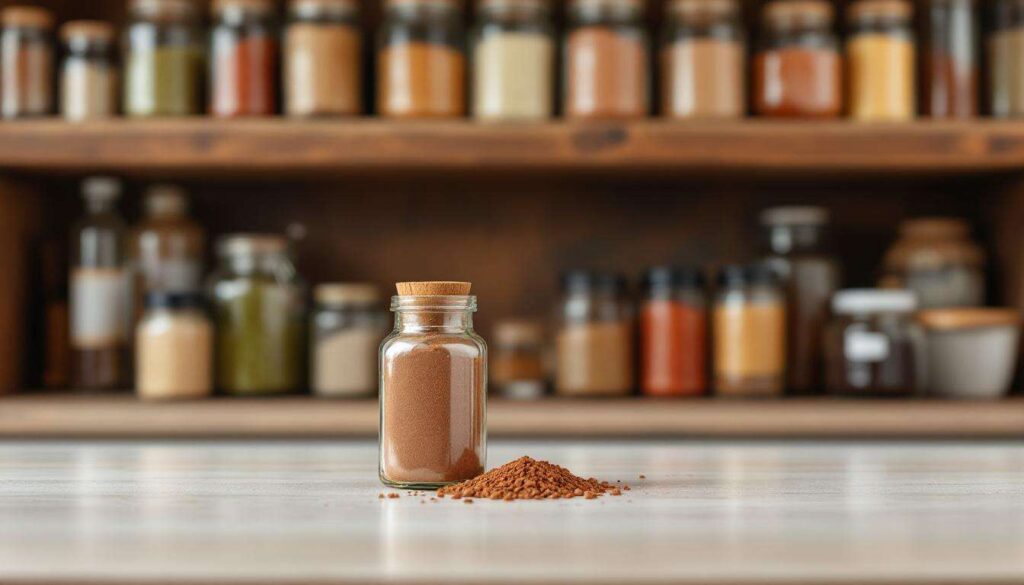
Managing blood sugar levels has become a critical health concern for millions of people worldwide. While pharmaceutical interventions remain essential for many, researchers have identified a common kitchen staple that demonstrates remarkable potential in supporting healthy glucose metabolism. This unassuming spice, found in most pantries across the country, has been the subject of numerous scientific investigations revealing its ability to influence blood sugar levels within just two weeks of consistent use. The accessibility and affordability of this natural remedy make it an attractive option for those seeking complementary approaches to blood sugar management.
What is this cheap spice ?
The spice in question is cinnamon, specifically Ceylon cinnamon and Cassia cinnamon, both varieties commonly available in grocery stores and supermarkets. This aromatic bark has been used for thousands of years in traditional medicine systems, but only recently has modern science begun to validate its metabolic benefits.
Types of cinnamon available
Understanding the distinction between cinnamon varieties helps consumers make informed choices:
| Type | Origin | Coumarin Content | Price Range |
|---|---|---|---|
| Ceylon Cinnamon | Sri Lanka | Low (0.004%) | $8-15 per ounce |
| Cassia Cinnamon | China, Indonesia | High (up to 5%) | $2-5 per ounce |
Ceylon cinnamon, often called “true cinnamon,” contains significantly lower levels of coumarin, a compound that can affect liver function in high doses. Cassia cinnamon, the more common variety found in most American supermarkets, delivers stronger flavor but requires moderation due to its coumarin content. Both types demonstrate blood sugar benefits, though Ceylon is generally recommended for daily therapeutic use.
Why cinnamon remains affordable
Despite its powerful health properties, cinnamon remains remarkably inexpensive compared to supplements and medications. The spice grows abundantly in tropical regions, and cultivation techniques have improved efficiency over centuries. A small container costing just a few dollars can provide several weeks of daily supplementation, making it one of the most cost-effective natural interventions available for metabolic health support.
Beyond its affordability and availability, cinnamon’s versatility in culinary applications makes it particularly practical for daily consumption.
The benefits of the spice for blood sugar
Cinnamon’s impact on glucose metabolism extends beyond simple blood sugar reduction, offering multiple complementary benefits that support overall metabolic health.
Primary glycemic benefits
Research demonstrates that cinnamon consumption produces several measurable effects on blood sugar regulation:
- Fasting blood glucose reduction: Studies show decreases of 10-29% in fasting blood sugar levels after consistent use
- Postprandial glucose control: Cinnamon helps moderate blood sugar spikes following meals
- HbA1c improvement: Long-term glucose control markers show positive changes with regular consumption
- Insulin sensitivity enhancement: Cellular response to insulin improves, allowing more efficient glucose uptake
Secondary metabolic advantages
The benefits of cinnamon extend beyond direct blood sugar effects. Lipid profile improvements have been documented in multiple studies, with users experiencing reductions in total cholesterol, LDL cholesterol, and triglycerides. Additionally, cinnamon possesses potent antioxidant properties that help combat oxidative stress, a condition frequently elevated in individuals with dysregulated blood sugar.
The anti-inflammatory compounds found in cinnamon also contribute to improved metabolic function, as chronic inflammation interferes with insulin signaling pathways. These multifaceted benefits work synergistically to support comprehensive metabolic health rather than addressing glucose levels in isolation.
Understanding these benefits naturally leads to questions about the mechanisms responsible for these effects.
How the spice acts on blood sugar
The biological mechanisms through which cinnamon influences glucose metabolism involve multiple pathways at the cellular and systemic levels.
Insulin mimetic properties
Cinnamon contains bioactive compounds, particularly cinnamaldehyde and procyanidin type-A polymers, that mimic insulin activity in the body. These compounds activate insulin receptors on cell surfaces, facilitating glucose transport into cells even when insulin production or sensitivity is compromised. This insulin-like action helps lower circulating blood sugar by improving cellular glucose uptake.
Enzyme inhibition
Another critical mechanism involves the inhibition of digestive enzymes responsible for breaking down carbohydrates. Cinnamon components slow the activity of alpha-glucosidase and alpha-amylase, enzymes that convert complex carbohydrates into simple sugars. By moderating this conversion process, cinnamon helps prevent rapid blood sugar spikes after carbohydrate-rich meals, resulting in more gradual and manageable glucose elevation.
Enhanced insulin signaling
Beyond mimicking insulin, cinnamon improves the body’s response to its own insulin production. The spice enhances insulin receptor sensitivity and improves downstream signaling cascades that govern glucose metabolism. This effect proves particularly valuable for individuals with insulin resistance, a condition where cells become less responsive to insulin’s signals.
These mechanisms have been validated through rigorous scientific investigation conducted over the past two decades.
Scientific studies and evidence
The clinical evidence supporting cinnamon’s blood sugar benefits comes from numerous peer-reviewed studies conducted across different populations and research settings.
Landmark research findings
A pivotal study published in Diabetes Care examined 60 people with type 2 diabetes who consumed 1, 3, or 6 grams of cinnamon daily for 40 days. All three dosage groups experienced significant reductions in fasting blood glucose, with decreases ranging from 18-29%. The same participants also showed improvements in lipid profiles, reinforcing cinnamon’s broader metabolic benefits.
Subsequent meta-analyses have synthesized data from multiple trials:
| Study Type | Number of Trials | Average Glucose Reduction | Duration |
|---|---|---|---|
| Meta-analysis 2012 | 10 trials | 24.59 mg/dL | 4-18 weeks |
| Systematic review 2013 | 8 trials | 16-29 mg/dL | 40-120 days |
The 14-day timeframe
While some studies extend for months, research indicates that measurable blood sugar improvements can begin appearing within 14 days of consistent cinnamon consumption. A study focusing on short-term effects documented statistically significant fasting glucose reductions after just two weeks of supplementation at 3 grams daily. This rapid onset makes cinnamon an appealing option for those seeking relatively quick feedback on natural interventions.
With solid scientific backing established, practical application becomes the next consideration.
Tips for incorporating the spice into your diet
Maximizing cinnamon’s blood sugar benefits requires strategic incorporation into daily eating patterns at therapeutic doses.
Recommended dosage guidelines
Research suggests that 1 to 6 grams daily produces beneficial effects, with most studies showing optimal results at 3 grams (approximately one teaspoon). For those new to therapeutic cinnamon use, starting with smaller amounts and gradually increasing helps assess tolerance and minimize digestive discomfort.
Practical consumption methods
Incorporating therapeutic amounts of cinnamon requires creativity beyond occasional sprinkling:
- Morning beverages: Add half a teaspoon to coffee, tea, or smoothies
- Breakfast applications: Stir into oatmeal, yogurt, or whole grain cereals
- Savory dishes: Include in curry blends, meat rubs, and roasted vegetable seasonings
- Baked goods: Incorporate into muffins, breads, and healthy desserts
- Direct supplementation: Mix with warm water and honey as a therapeutic drink
Timing considerations
For optimal blood sugar management, consuming cinnamon with or immediately before meals helps moderate postprandial glucose spikes. Splitting the daily dose across multiple meals may provide more consistent benefits than consuming the entire amount at once.
While generally safe, cinnamon use does require certain precautions for specific populations.
Precautions and recommendations
Despite cinnamon’s safety profile, certain considerations ensure responsible use and minimize potential risks.
Coumarin concerns
Cassia cinnamon contains significant coumarin levels, which can affect liver function when consumed in high amounts over extended periods. Individuals planning long-term therapeutic use should consider Ceylon cinnamon or limit Cassia consumption to 1 teaspoon daily. Those with existing liver conditions should consult healthcare providers before beginning cinnamon supplementation.
Medication interactions
Cinnamon’s blood sugar-lowering effects can potentiate diabetes medications, potentially causing hypoglycemia. People taking metformin, sulfonylureas, or insulin should monitor blood glucose closely when adding therapeutic cinnamon doses and may need medication adjustments. Similarly, cinnamon may interact with blood thinners due to its coumarin content.
Special populations
Pregnant women should limit cinnamon to culinary amounts rather than therapeutic doses, as high concentrations may stimulate uterine contractions. Individuals with bleeding disorders should exercise caution due to potential anticoagulant effects. Anyone with chronic health conditions should discuss cinnamon supplementation with qualified healthcare professionals before beginning a regimen.
Cinnamon represents an accessible, affordable, and scientifically supported option for individuals seeking natural approaches to blood sugar management. The spice’s multiple mechanisms of action, rapid onset of benefits, and versatility in culinary applications make it a practical addition to comprehensive metabolic health strategies. While not a replacement for prescribed medications or medical supervision, cinnamon offers meaningful support when incorporated thoughtfully into daily routines. The evidence demonstrates that this humble pantry staple delivers measurable improvements within just two weeks, providing an empowering tool for those committed to taking active roles in their health management.